
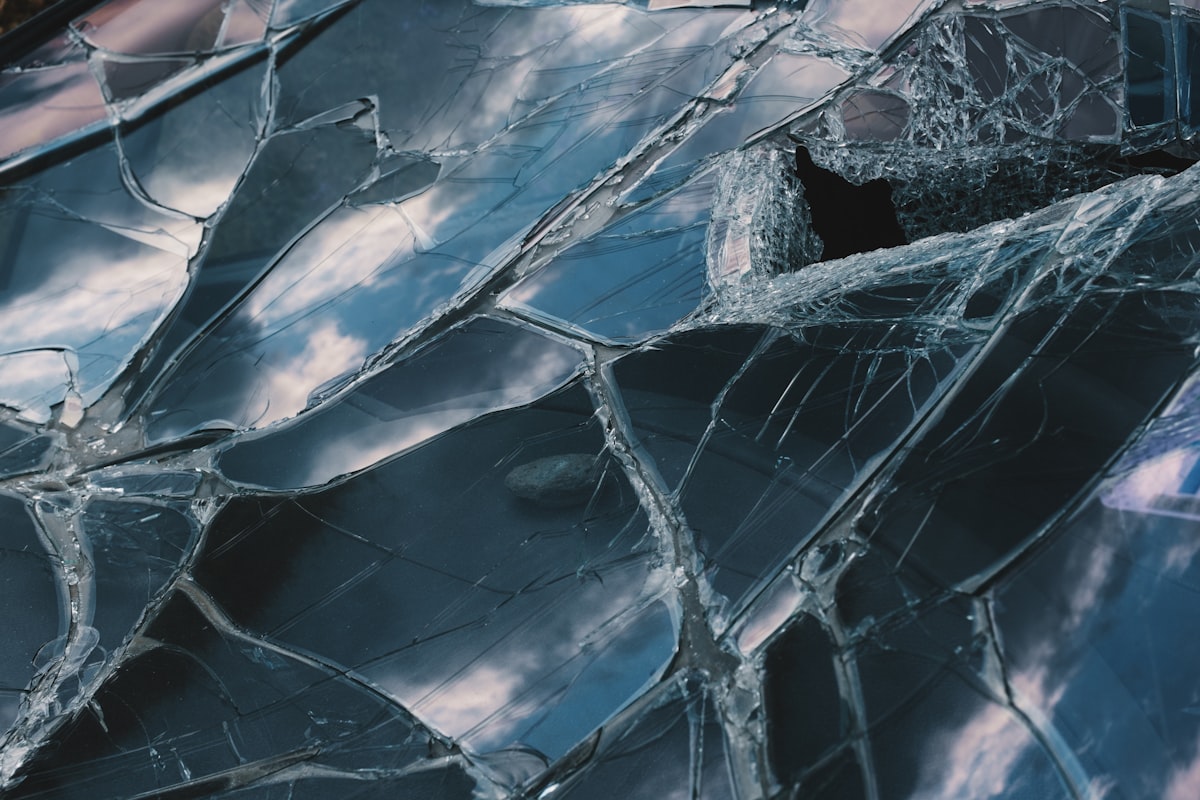
Windshield Safety Guide
Is It Safe to Drive With a Cracked Windshield?
How to tell whether your chip or crack can wait, needs attention now, or means the car should stay parked.
The short answer
It depends on where the damage is and how big it is. A small chip outside the driver's line of sight is usually safe to drive on for a short time, but it should be repaired soon before it spreads. A crack in your line of sight, a long or spreading crack, or damage near the edge of the windshield is a real safety risk and should be fixed right away. If the glass is shattered or you can't see clearly, don't drive.
Check your damage
Not sure which one you have? Send us a photo and we’ll tell you.
Usually OK to drive
Get it repaired soon
- A single small chip — smaller than a quarter
- Outside the driver's direct line of sight
- Not spreading, and you can see clearly around it
Get it looked at right away
Limit your driving until it is
- A crack longer than about an inch, or one that is growing
- Several chips or cracks in the glass
- Damage near the edge of the windshield, where it bonds to the frame
Don't drive it
Call us — mobile service can come to you
- Shattered, sagging, or loose glass
- Damage that blocks or distorts the driver's view
- A crack running across the windshield in front of the driver
Why a cracked windshield is a safety issue
It holds up the roof
Your windshield is part of the vehicle’s structure. In a rollover it helps keep the roof from collapsing, and a cracked windshield can’t do that job as well.
It backs up the airbag
The passenger airbag deploys against the windshield. Damaged glass may not hold, which can affect how well the airbag protects your passenger.
It affects what you can see
Cracks catch glare from low sun and oncoming headlights, and they get harder to see past in rain, sleet and snow.
Cracks rarely stay small
Bumps, temperature changes and even closing the door put stress on damaged glass. A chip that could be repaired today can become a full replacement.
Driving on a cracked windshield in Maine
Maine is hard on windshields. Freeze-thaw cycles, blasting the defroster on frozen glass, frost heaves, potholes and sand on winter roads all put stress on a chip or crack — which is why damage that looks small in October often runs across the windshield by February.
Your windshield is also checked at your annual Maine state inspection, and cracks or damage in the driver’s view can cause a vehicle to fail. If your inspection sticker is coming due, have the damage looked at first.
The good news: many chips can be fixed with a quick chip repair, larger damage can be handled with a windshield replacement, and we can work with your insurance — at our Bangor shop or with mobile service that comes to you.
Common questions
How long can you drive with a cracked windshield?
There's no safe number of days — it depends on the damage and the conditions. A small chip outside your line of sight can usually wait a few days for a repair, but a crack can spread suddenly with a pothole or a cold morning. The sooner it's fixed, the more likely it can be repaired instead of replaced.
Is it illegal to drive with a cracked windshield in Maine?
Rules on windshield damage vary from state to state. In Maine, the windshield is checked at your annual state inspection, and cracks or damage in the driver's view can cause your vehicle to fail. If your inspection is coming up, have the damage looked at first.
Can a cracked windshield be repaired, or does it need replacing?
Chips smaller than a quarter and cracks shorter than about an inch can often be repaired. Damage in the driver's line of sight, multiple cracks, or damage near the edge usually means a replacement. We'll tell you which one you need — free.
Will my insurance cover a cracked windshield?
Many comprehensive policies cover windshield repair and replacement, and some waive the deductible for repairs. We work with all insurance companies and handle the claim paperwork for you.
Not sure if your windshield is safe?
Send us a photo or give us a call — we’ll tell you whether it can wait, and whether it can be repaired instead of replaced.